Optimizing Fleet Bed Systems for Efficiency in the U.S. Trucking Industry
In the fast-paced U.S. trucking industry, inefficiencies in fleet bed systems can lead to costly delays and reduced productivity—challenges that many fleet operators face daily. These systemic bottlenecks often go unnoticed, yet they significantly impact your bottom line. This article delves into actionable strategies to optimize fleet bed systems, helping you streamline operations and maximize efficiency. Ready to transform your fleet’s performance? Dive into the full operational breakdown below.
1/17/20243 min read
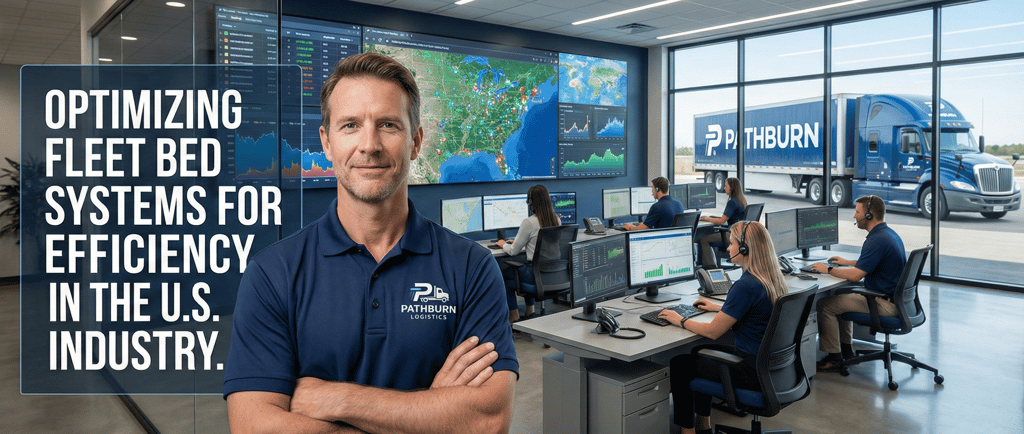

The U.S. trucking industry faces mounting pressures: increasing operational costs, driver shortages, and tight delivery windows. Many fleets hit ceilings not because of lack of effort but due to systemic inefficiencies rooted in fragmented workflows and manual processes. These issues often manifest as excessive deadhead miles, missed load opportunities, and cash flow gaps—all of which threaten long-term sustainability and growth.
To remain competitive in this complex landscape, fleets must go beyond traditional practices and embrace integrated, data-driven systems that elevate operational intelligence. The real challenge lies in orchestrating all moving parts—drivers, dispatch, load planning, and maintenance—into a cohesive, optimized pipeline. Only then can trucking companies unlock the agility needed for scalable growth.
The Fragmented Landscape of Fleet Operations
Many trucking companies still operate with disjointed processes, relying on disparate systems or manual record-keeping. Dispatchers juggle spreadsheets, drivers communicate via radio or isolated apps, and maintenance schedules are managed separately. This siloed approach leads to blind spots in operational visibility, making it difficult to identify inefficiencies or respond promptly to disruptions.
The consequence? Trucks often run empty between loads, leading to increased fuel costs and lost revenue. Without a holistic view of fleet movements, companies struggle to balance supply and demand, causing bottlenecks that erode profit margins.
The Cost of Manual Processes and Data Silos
Manual workflows introduce delays and errors, compounding operational inefficiencies. For instance, manual scheduling might result in suboptimal load assignments, and delayed communication can cause trucks to idle unnecessarily. Data silos prevent real-time insights into fleet availability, driver hours, or equipment health—crucial elements for making informed decisions.
When data is fragmented, fleets operate reactively rather than proactively. This reactive stance not only diminishes efficiency but can also compromise safety and compliance, as preventative maintenance and driver logs are often overlooked or delayed.
The Strategic Value of Integrated Operations
Integrated fleet systems serve as the backbone for cohesive operations. By unifying dispatch, load planning, route optimization, maintenance data, and driver management into a single strategic platform, fleets can achieve greater synchronization. This integration fosters transparency, allowing stakeholders to see a comprehensive, real-time picture of operations.
Imagine a truck’s journey akin to a well-orchestrated symphony—each instrument harmonizing in time. This synchronization reduces deadhead miles by aligning shipments with available capacity, minimizes idle time, and improves on-time delivery rates, directly impacting customer satisfaction.
Harnessing Data Visibility and Operational Intelligence
Data visibility is the linchpin for making smarter, faster decisions. Advanced analytics and operational intelligence tools provide insights into load profitability, driver performance, fuel consumption, and maintenance needs. Real-time data enables proactive adjustments—rerouting trucks to avoid delays or scheduling preventive maintenance before breakdowns occur.
Such intelligence minimizes unexpected costs and optimizes route selection. Fleets gain the agility to adapt in a dynamic market, reducing waste and enhancing profitability while improving overall service levels.
The Role of Automation in Fleet Optimization
Automation extends beyond data collection to include intelligent scheduling, automatic alerts, and streamlined compliance reporting. Through automation, routine tasks are executed seamlessly, freeing human resources to focus on strategic initiatives. For example, automated load matching ensures trucks are paired with the most suitable freight, reducing empty miles.
Deploying automation also enhances accuracy, reduces administrative overhead, and accelerates decision-making processes. Over time, this leads to a more resilient fleet that can scale operations confidently and adapt to unforeseen disruptions—such as fuel price spikes or driver shortages.
Embracing a Future of Smarter Fleet Operations
In a highly competitive and often unpredictable industry, success hinges on visibility and coordination. Fragmented workflows hinder growth, limit responsiveness, and inflate costs. Conversely, fully integrated operational systems empower fleets to turn data into actionable insights, automate routine tasks, and synchronize all moving parts.
By embracing the transition to smarter, connected fleet management—anchored in operational intelligence—trucking companies unlock new levels of efficiency, profitability, and scalability. The road ahead favors those who can orchestrate their fleet with clarity and precision, paving the way for sustainable growth even amid industry headwinds.